WITH HYBRID WORK NOW A MAINSTREAM NORM FOR MANY ORGANIZATIONS, IT’S NO SURPRISE THAT BAD ACTORS ARE DOUBLING DOWN ON TARGETING EMPLOYEE DEVICES AND ENDPOINTS AS THEIR INITIAL POINT OF COMPROMISE — AND THEY ARE GETTING RESULTS.
According to Microsoft, 80-90% of successful ransomware attacks come from unmanaged devices, which have become commonplace as more employees leverage endpoint devices to
work remotely.
Efficient patch management is recognized as the cornerstone of effective cybersecurity.
Organizations constantly seek more effective ways to secure widening digital estates and rein in risk, as global security and data compliance regulations continue to grow stricter.
The good news is that evolving technologies present new opportunities to help IT and security teams automate and streamline patch processes, optimize efficiency, boost resilience and compliance, and drive better operational outcomes and alignment across teams. The future of patch management is here, and it’s autonomous.
Automated patch management is designed to automate select aspects of the patch management process — still requiring IT teams to carry out responsibilities like evaluating, logging, and pushing patches through by hand. Autonomous patch management takes it further — fully automating the patch management process (with IT teams in the loop when they choose to be) based on risk tolerance levels. IT teams set predefined policies and workflows, and then let fully autonomous capabilities aggregate information, make informed recommendations on the viability and criticality of patches, and deploy from there.
Autonomous patching done well maps critical vulnerabilities directly back to vulnerable
endpoints, ranked by severity, and patches are deployed by pre-approved workflows. Ensuring critical patches are automatically applied, while allowing other available patches to flow through pre- determined workflows. It sounds like automation, right? But autonomous patching makes use of
modern AI techniques to account for pausing faulty or risky patches that could mean trouble for your fleet and your team.
The central promise of autonomous patch management is this: more effective patch management, more streamlined deployment, and more resilient business and resource-efficient technicians. But only if done right.
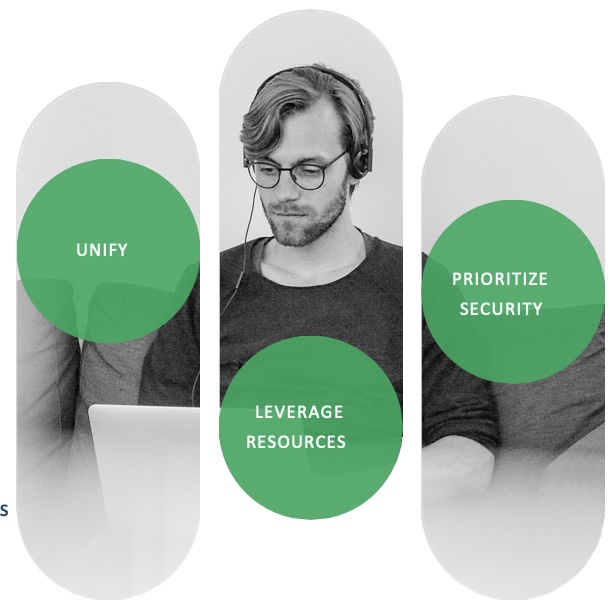
A successful autonomous patching strategy hinges on three key pillars:
Unify, unify, unify
Bring vulnerability data, patching, and configuration together into risk-driven workflows.
Leverage shared resources
From vendors, public forums, and telemetry to make informed recommendations.
Automation must prioritize security
To ensure IT and security teams focus on shoring up vulnerabilities that matter most. Patches should be ranked by risk not recency.
Patching smarter is like repairing cracks in your fortress walls before heading into battle. By closing known gaps in advance, you free up your defenses to focus on repelling real threats outside your organization’s walls rather than scrambling to fight intruders inside and out.
With autonomous patching now available, IT teams will be better able to address known vulnerabilities more effectively and efficiently.
While patch management has long been a reactive and arduous process, it’s never been more essential for organizational resilience. In a digital landscape constantly expanding and growing more dangerous, autonomous patching provides IT teams with a critical reprieve. It curbs risk proactively, patches with greater efficiency, and ultimately, builds a stronger foundation from which teams can continue to scale.